



Document Verification: A Complete Guide for Students
For Nepalese students planning to study in South Korea, document verification is one of...
Read More
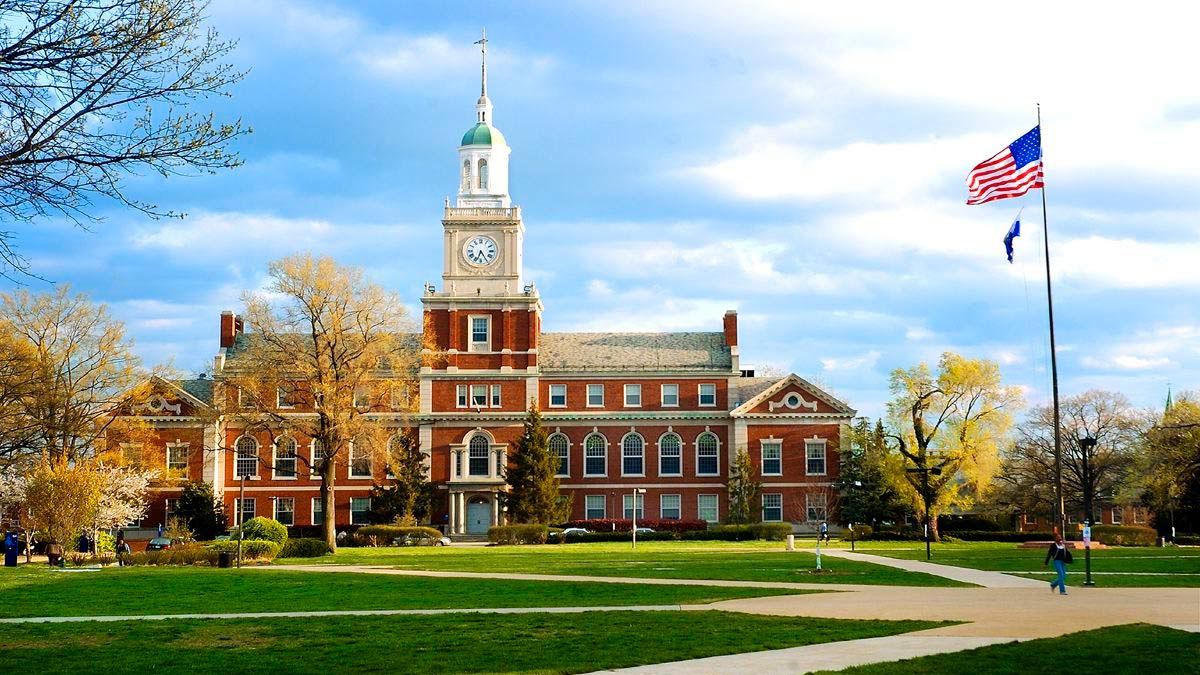
The United States being the top destination for Nepalese students is the result of a powerful combination of “push” factors from Nepal and “pull” factors from the US. It’s a trend driven by education, economics, and aspiration.
Some of the key reasons are summarised as below:
Quality and Diversity of Programs: The US higher education system is globally renowned for its quality, rigor, and innovation. It offers an unparalleled diversity of courses and specializations. A student wanting to study anything from Aerospace Engineering to Sustainable Agriculture can find a top-tier program.
Flexibility: The American liberal arts system allows students to explore different subjects before declaring a major. This is highly attractive for students who are unsure of their exact career path.
Research and Resources: US universities are at the forefront of research and development, with massive funding, state-of-the-art laboratories, and libraries. For graduate students, this is a major draw.
This is arguably the most significant factor.
Post-Study Work Opportunities (OPT): The Optional Practical Training (OPT) program allows international students to work in the US for up to 12 months after graduation. For STEM (Science, Technology, Engineering, and Mathematics) graduates, this extends to 3 years. This is a golden opportunity to gain valuable international work experience and recoup educational investments.
Pathway to Long-Term Residency: Success on OPT often leads to employer sponsorship for an H-1B work visa, which is a common pathway toward a Green Card (permanent residency). For many Nepalese students and their families, this represents a life-changing opportunity for socioeconomic mobility.
Strong Job Market & High Salaries: The US boasts a robust economy with high demand for skilled professionals in tech, engineering, healthcare, and business, often with salaries that are significantly higher than in Nepal or other regions.
Social Prestige: There is a deep-seated cultural prestige associated with studying in “America.” It is seen as a mark of success and a testament to a family’s investment in their children’s future.
Influence of Education Consultancies: Nepal has a vast network of education consultancies that aggressively promote US universities. They guide students through the complex application and visa process, making it more accessible.
Diaspora Effect: The existing large and successful Nepali diaspora in the US (including many former students who settled there) creates a powerful network. They provide guidance, accommodation support, and a sense of community, making the transition less daunting for new students.
Graduate Assistantships: At the graduate level (especially for PhD and Master’s programs), US universities often offer funding through Teaching Assistantships (TAs) and Research Assistantships (RAs). These typically cover tuition and provide a stipend, making a US education financially feasible for high-achieving students.
Undergraduate Scholarships: While more competitive, the availability of merit-based and need-based scholarships at the undergraduate level is a strong attraction compared to many other countries where international student fees are non-negotiable.

For Nepalese students planning to study in South Korea, document verification is one of...
Read More
Over the past decade, South Korea has emerged as a highly appealing destination for...
Read More
Over the past decade, South Korea has emerged as a highly appealing destination for...
Read More